How Long Can Asbestos Stay in the Air?
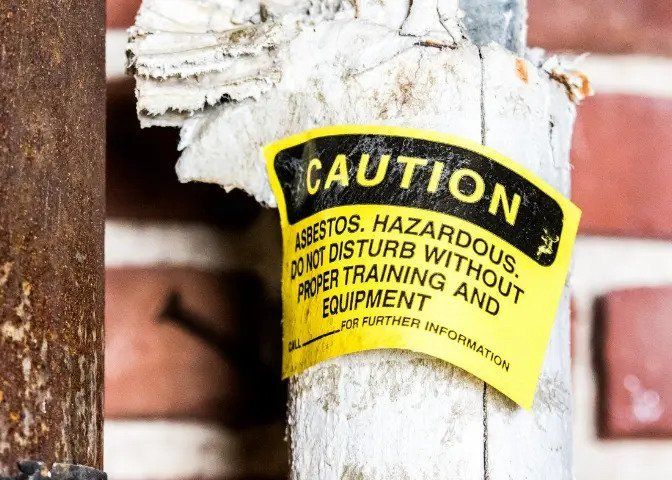
Though some countries have banned asbestos and most others use it sparingly in modern construction, the hazardous substance is still present in many older buildings. However, this formerly commonplace material is a threat to human health if they breathe it or if it pollutes the air.
How long does asbestos stay in the air? What happens if it affects you? Read on as we examine sings and facts about asbestos, where it's most frequently located, and what you should do if you discover it.
Asbestos History and Its Variants
Asbestos is a fibrous mineral with strong insulating benefits. In the first two-thirds of the 20th century, builders used asbestos heavily for building insulation until studies showed that the material is highly toxic. The medical world discovered asbestos-related cancer, mesothelioma, in the 1960s.
Most people believe the U.S. banned asbestos, which isn't completely accurate. After classifying it as a hazardous air pollutant in 1970, the Clean Air Act banned spray-applied asbestos products. In 1986, the
EPA established standards to remove asbestos in schools.
In 1989, the EPA issued the Asbestos Ban and Phase-Out Rule (ABPR) to ban the manufacture, import, and sale of asbestos products. A gap exists, though, in terms of its presence in existing buildings. Since the material served varying construction projects, you can find them across a wide range of industries.
Several types of asbestos exist, each possessing different insulation benefits and health hazards. The six variants of asbestos, their uses, and their risk factors are as follows:
- Actinolite: The rarest form of asbestos. Not common to any particular industry, it can cause mesothelioma with frequent exposure.
- Amosite: This asbestos is common in cement sheets and plumbing insulation. Amosite also has a high risk of lung cancer.
- Anthophyllite: A mesothelioma risk, manufacturers never sold this form of asbestos commercially, but you can still find it in products such as talcum powder.
- Chrysotile: The most common form of asbestos with a very high cancer risk, auto manufacturers used chrysotile for brake pads and gaskets, but it was also standard for old insulation.
- Crocidolite: As the most hazardous form of asbestos, nearly 20% of crocidolite miners reported mesothelioma.
- Tremolite: Though rarer, you might find tremolite, posing a high risk of lung cancer, in roofs or industrial plumbing fixtures.
How Long Does Asbestos Stay in The Air?
All forms of asbestos will linger in the air for 48-72 hours once disturbed. Unfortunately, asbestos is a lightweight substance, so something as small as a gentle gust of wind can knock these hazardous fibers airborne.
Unfortunately, it's not always easy to spot asbestos. It can be present in the walls, ceilings, and work equipment around you, often hidden from view. Because it has few visible signs, it's crucial to be vigilant and seek professional help if you suspect its presence. For those in the area, consider contacting experts in
asbestos removal in St Louis to ensure safe and effective handling.
Learn About - Safety Tips For Removing Asbestos
What to Do If You Discover Asbestos
Immediately cease occupying the zone or location if asbestos is discovered on your premises. Call in a specialist like our team at
ABC Environmental Contracting Services for asbestos testing, containment, and removal, even if you are unsure. It is better to err on the side of caution than to be sorry. Our team may be reached at 314-582-2256 for inquiries about asbestos remediation.
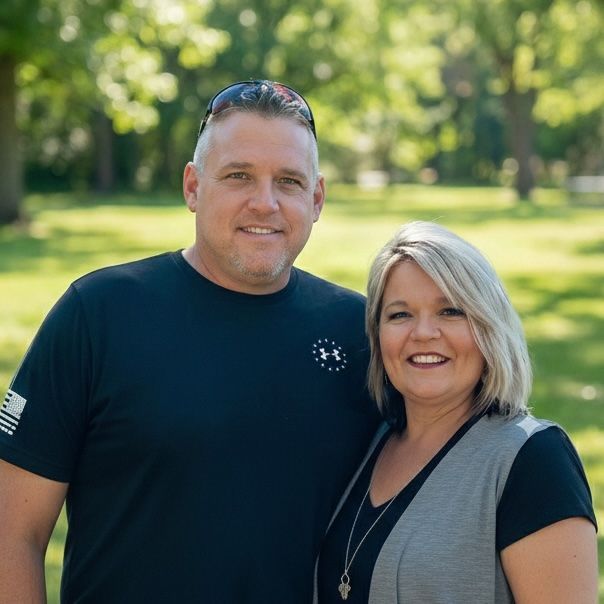
Dan and Tina Benton are the owners of ABC Environmental Contracting Services, a veteran-owned restoration company serving the St. Louis Metro East area. Together, they bring over two decades of expertise in water damage restoration, mold remediation, and asbestos removal for both residential and commercial properties. They're committed to serving their community with integrity and dedication, providing 24/7 emergency response when disaster strikes.